Introducing: The Winter Edit
SHOP NEW ARRIVALSArrives in 1–4 weeks
Shop in-stock furnitureUp to 50% off
Shop all saleSearch
Handcrafted Home Décor from Bali: Where Art Meets Interior Design
Hanami Atelier
18 December 2025
Blog & Article
Bali has long been celebrated as a place where art is woven into everyday life. From architecture and rituals to craftsmanship and design, creativity is not an isolated practice but a living tradition. This deep cultural relationship with art has shaped Bali into one of the world’s most respected sources of handcrafted home décor. Today, handcrafted décor from Bali represents a meeting point between artistic heritage and contemporary interior design.
For designers, homeowners, and hospitality brands around the world, Balinese handcrafted décor offers more than visual beauty. It brings authenticity, texture, and cultural depth into modern spaces, creating interiors that feel intentional, warm, and timeless.
Bali as a Center of Craftsmanship
Craftsmanship in Bali is rooted in generations of knowledge passed down through families and villages. Wood carving, weaving, beadwork, and fiber art are not simply skills but cultural expressions shaped by nature, spirituality, and daily life.
Balinese artisans work closely with natural materials sourced from their surroundings. Wood, rattan, palm fiber, shells, and textiles are transformed through hand processes that respect material character rather than forcing uniformity. Each handcrafted piece reflects patience, precision, and an intuitive understanding of form.
This cultural foundation is what distinguishes handcrafted décor from Bali. Every object carries a sense of place, shaped by both tradition and the environment in which it is made.
When Art Becomes Functional Design
One of the defining qualities of Balinese handcrafted décor is its ability to function as both art and design. Decorative objects are not created solely to be admired; they are designed to exist within living spaces.
A sculptural vase becomes a focal point on a console or dining table. A woven basket serves both storage and aesthetic purposes. A handcrafted stool functions as seating while acting as a sculptural accent. Wall decorations transform blank surfaces into expressive design features.
This balance between beauty and function is essential in modern interior design. Spaces today are expected to be practical, adaptable, and visually coherent. Handcrafted décor from Bali naturally supports this expectation by offering objects that are useful yet artistic.
The Role of Natural Materials in Interior Spaces
Natural materials play a central role in Balinese handcrafted décor. These materials introduce warmth and tactility into interiors that often rely on smooth surfaces and neutral palettes.
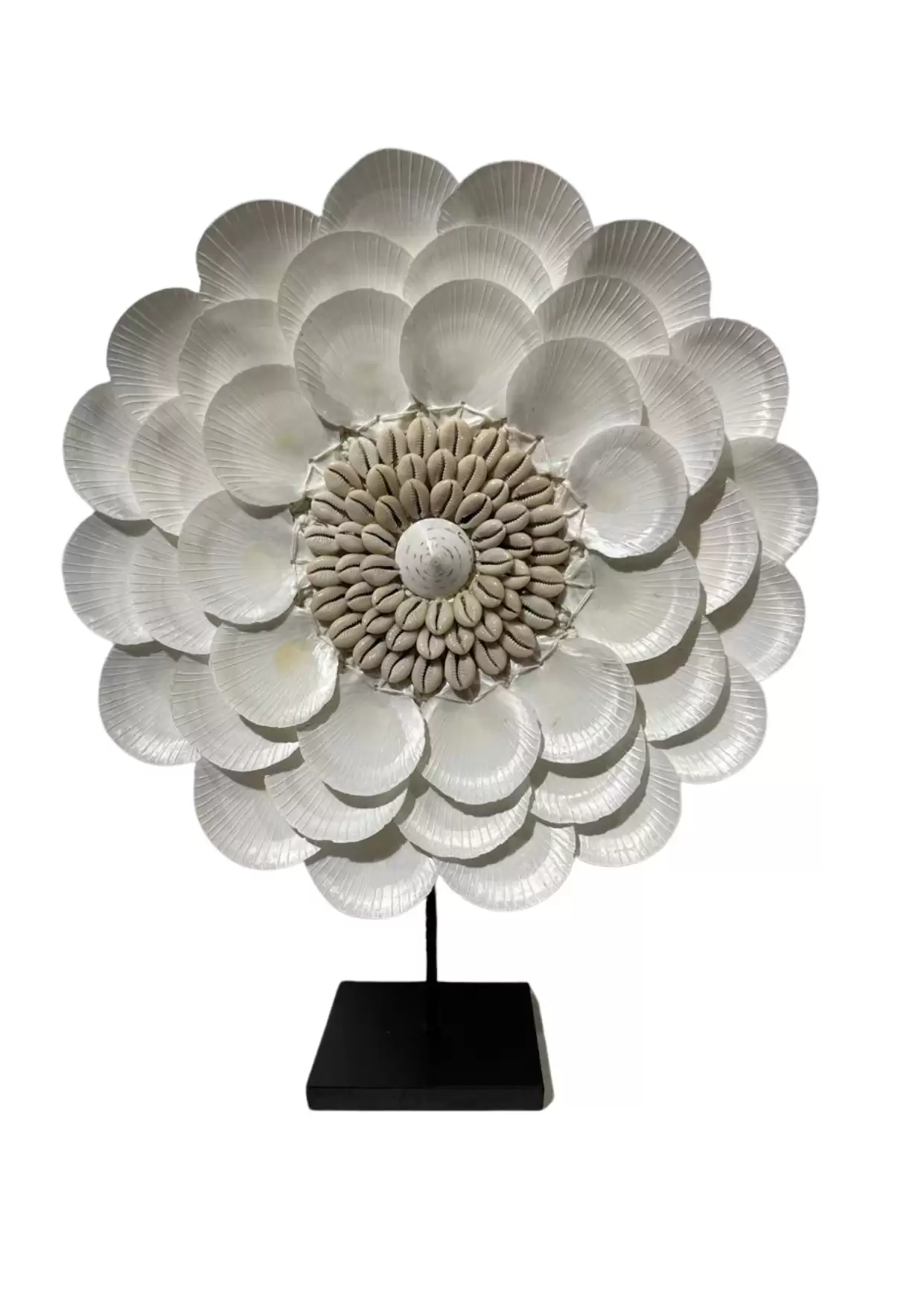
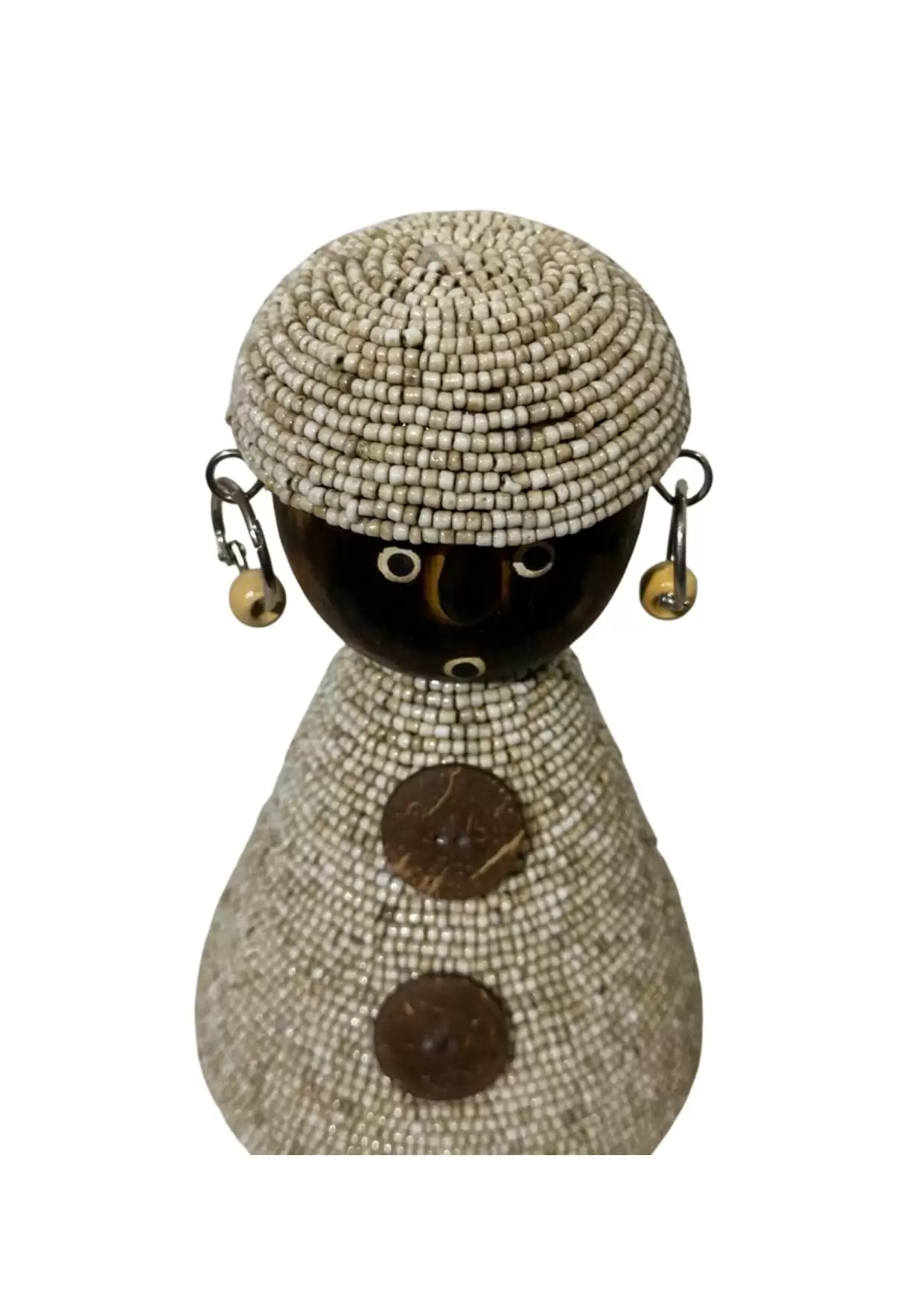
Wood reveals organic grain patterns that bring visual movement. Woven fibers soften architectural lines. Shells and beads add texture and subtle contrast. Textiles introduce comfort and layering. Together, these materials create interiors that feel grounded and human.
In contemporary design, natural materials are often used to counterbalance modern minimalism. Handcrafted décor from Bali provides this balance effortlessly. Its textures and forms enrich a space without overwhelming it, allowing interiors to feel calm, curated, and lived-in.
Handcrafted Décor in Modern Interior Design
Modern interiors favor simplicity, clarity, and intentional design choices. In this context, handcrafted décor plays a strategic role rather than a decorative afterthought.
Instead of filling a space with many small accessories, designers increasingly rely on statement pieces. A single handcrafted object can define the character of a room. Its presence adds personality while maintaining visual restraint.
Balinese handcrafted décor fits seamlessly into this approach. Sculptural forms, organic textures, and subtle imperfections create focal points that feel authentic rather than decorative for decoration’s sake. These pieces support modern interiors by adding depth and narrative.
Cultural Expression Without Excess
One of the strengths of handcrafted décor from Bali is its ability to express culture without appearing ornate or overwhelming. While deeply rooted in tradition, many contemporary Balinese pieces are refined and understated.
This restraint makes them versatile. They can sit comfortably in modern, rustic, tropical, or even industrial interiors. Their cultural influence is felt through texture and form rather than overt symbolism.
This subtlety allows handcrafted décor to communicate heritage while respecting the design language of contemporary spaces. It creates a dialogue between past and present, tradition and modernity.
Supporting Artisan Communities Through Design
Handcrafted home décor from Bali also represents a commitment to ethical and sustainable practices. Behind every piece is an artisan whose livelihood depends on craftsmanship.
Choosing handcrafted décor supports small-scale production, fair labor, and the preservation of traditional skills. It helps maintain cultural knowledge that might otherwise be lost to mass production and industrialization.
For global buyers and brands, this aspect adds depth and responsibility to design decisions. Handcrafted décor is not only an aesthetic choice but a conscious one, aligning design with values of sustainability and community support.
Timeless Design Beyond Trends
Interior design trends evolve quickly, but handcrafted décor from Bali remains relevant because it is not trend-driven. Its appeal lies in material honesty, craftsmanship, and timeless form.
A handcrafted vase or decorative object does not belong to a specific season or trend cycle. It adapts as interiors change, remaining relevant through evolving styles and layouts.
This longevity makes handcrafted décor a meaningful investment. Rather than replacing objects frequently, designers and homeowners can build spaces around pieces that age gracefully and retain their value over time.
Creating Meaningful Interior Stories
Interiors today are increasingly narrative-driven. Spaces are designed to tell stories about the people who inhabit them, the values they hold, and the experiences they seek.
Handcrafted décor from Bali contributes naturally to this storytelling. Each piece carries a sense of origin, process, and intention. When placed within an interior, it adds layers of meaning beyond visual appeal.
Whether used in residential homes, boutique hotels, or hospitality projects, these objects help create environments that feel personal and considered rather than generic.
A Bridge Between Art and Everyday Living
At its core, handcrafted home décor from Bali exists at the intersection of art and everyday life. It transforms traditional craftsmanship into contemporary design objects that enhance how spaces are experienced.
This balance is what makes Balinese handcrafted décor so powerful in modern interiors. It reminds us that art does not need to be confined to galleries. It can exist in the objects we touch, use, and live with every day.
By integrating art into functional design, handcrafted décor from Bali enriches interiors with authenticity, warmth, and cultural depth.
Where Craftsmanship Shapes the Future of Design
As interior design continues to move toward more thoughtful, sustainable, and meaningful practices, handcrafted décor from Bali remains deeply relevant. Its emphasis on material integrity, skilled craftsmanship, and cultural respect aligns with the values shaping the future of design.
These pieces are not simply decorative additions. They are expressions of artistry, heritage, and intentional living. In bringing them into modern interiors, designers and homeowners create spaces where art and design coexist naturally.
That is where handcrafted home décor from Bali truly belongs: at the meeting point of art, culture, and interior design.