Introducing: The Winter Edit
SHOP NEW ARRIVALSArrives in 1–4 weeks
Shop in-stock furnitureUp to 50% off
Shop all saleSearch
How to Style Statement Decorative Pieces in Modern Interiors
Hanami Atelier
18 December 2025
Blog & Article
Modern interiors are often defined by clean lines, open spaces, and restrained color palettes. While this simplicity creates a sense of order and clarity, it can sometimes feel understated or incomplete without carefully chosen accents. Statement decorative pieces play a vital role in bringing personality, texture, and depth into contemporary spaces. When styled thoughtfully, they become focal points that elevate an interior without overwhelming it.
Understanding how to style statement décor is less about quantity and more about intention. Each piece should contribute to the story of a space, complementing its architecture while expressing individuality.
What Defines a Statement Decorative Piece
A statement decorative piece is not defined by size alone. While scale can be important, true statement pieces stand out because of their form, texture, craftsmanship, or material. Handcrafted objects made from natural materials often become statements naturally, thanks to their organic variations and sculptural qualities.
Decorative vases, wall décor, sculptural objects, artisan figurines, and accent furniture such as stools can all serve as statement pieces. What unites them is their ability to draw attention while maintaining harmony with the surrounding environment.
In modern interiors, statement pieces often contrast with minimal backgrounds. Their presence introduces warmth and visual interest, turning simplicity into sophistication.
Start with One Strong Focal Point
One of the most common mistakes in styling is introducing too many focal points in a single space. Modern interiors benefit from clarity. Begin by selecting one primary statement piece and allow it to anchor the room.
A sculptural vase placed on a console, a large wall decoration, or a handcrafted decorative object can serve this role. Once the focal point is established, supporting elements should remain subtle. This approach allows the statement piece to breathe and be fully appreciated.
In living areas, the focal point might be placed near seating zones. In entryways, a statement object can set the tone immediately upon arrival. In dining spaces, a decorative centerpiece can define the mood without competing with furniture.
Use Scale and Proportion Thoughtfully
Scale is essential when styling statement décor. A piece that is too small may feel insignificant, while one that is too large can dominate the space. The key is balance.
In open-plan interiors, larger statement pieces work well because they hold their presence without being visually crowded. In smaller spaces, medium-scale objects with strong form or texture can create impact without overwhelming the room.
Proportion also matters in relation to furniture. A tall decorative vase can complement low-profile seating, while a wide sculptural object can balance vertical architectural elements. Always consider how the piece interacts with its surroundings.
Layer Textures to Add Depth
Modern interiors often rely on neutral tones and smooth surfaces. Statement decorative pieces introduce texture that adds dimension and warmth. Handcrafted décor made from natural materials such as wood, fiber, shells, and beads is particularly effective in creating this layered effect.
When styling, pair smooth surfaces with textured objects. A stone or concrete console becomes more inviting when topped with a woven basket or sculptural wooden piece. Soft textiles such as cushions can be layered alongside harder materials to create contrast.
Texture should feel intentional, not random. Repeating similar materials in small doses throughout the space helps maintain cohesion.
Let Wall Décor Shape the Space
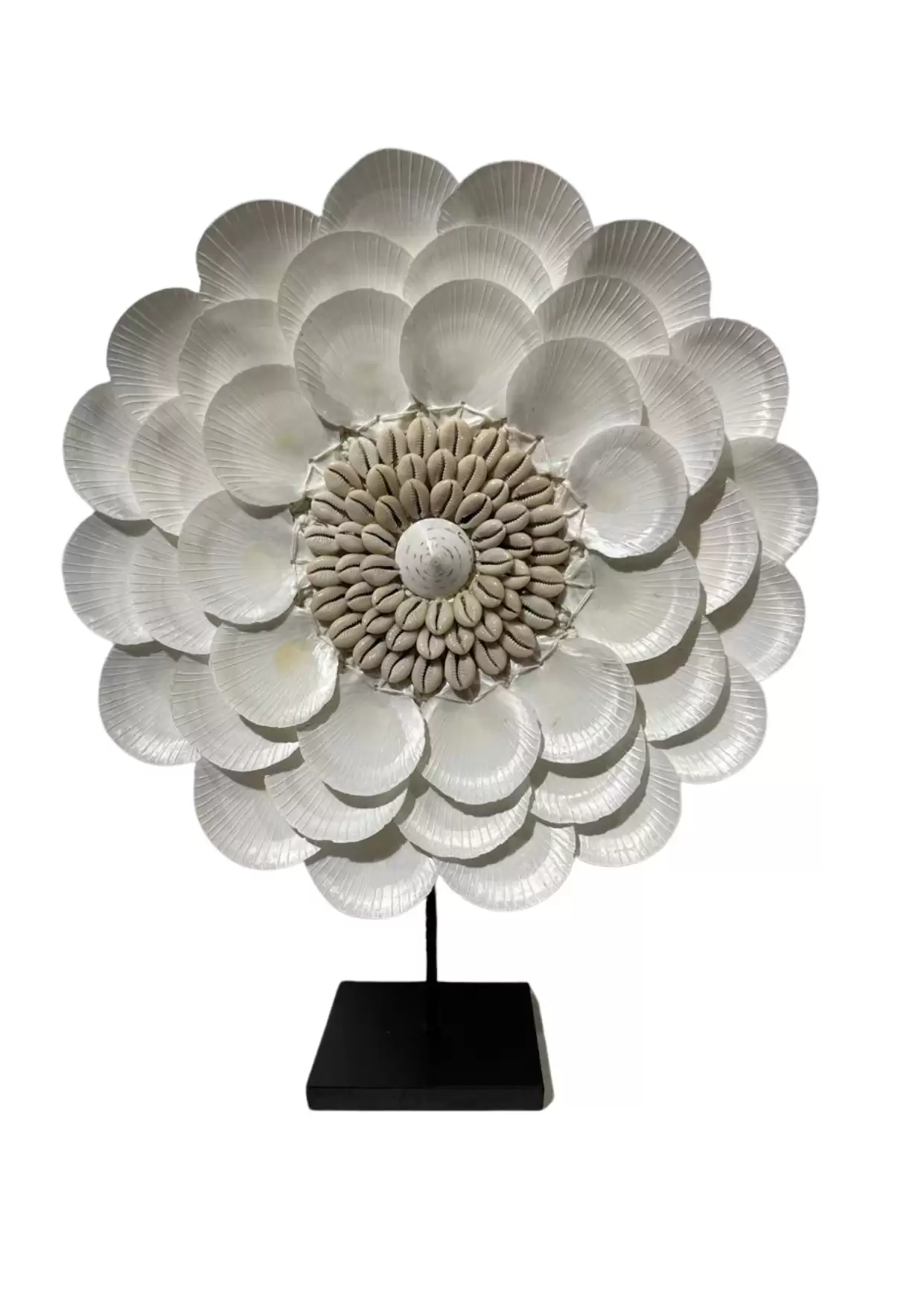
Wall decorative pieces are powerful tools in modern interiors. They draw the eye upward and can visually expand a space. Large-scale wall décor works especially well in rooms with high ceilings or wide walls that would otherwise feel empty.
When styling wall décor, consider negative space. Allow enough room around the piece so it can stand on its own. Avoid overcrowding walls with multiple competing elements.
Wall décor made from natural fibers or handcrafted materials adds softness to modern architecture. It introduces movement and texture, transforming walls into integral design features rather than mere backdrops.
Balance Statement Pieces with Negative Space
Negative space is just as important as the objects themselves. In modern interiors, empty space allows statement pieces to stand out and prevents visual clutter.
Resist the urge to fill every surface. A single decorative object placed intentionally often has more impact than multiple smaller items grouped together. Negative space creates rhythm and highlights craftsmanship.
This approach also aligns with the philosophy of mindful living. By curating fewer, more meaningful objects, spaces feel calmer and more refined.
Mix Function and Decoration
Statement pieces do not have to be purely decorative. Functional objects such as stools, baskets, and table top accents can also act as focal points when thoughtfully designed.
A handcrafted stool can serve as both seating and sculpture. A woven basket can add storage while contributing texture and warmth. Table top objects can elevate everyday rituals when styled with intention.
Functional statement pieces are particularly effective in modern interiors because they merge practicality with design, reinforcing the idea that beauty and utility can coexist.
Create Visual Stories Through Grouping
While minimalism is key, grouping can still play a role when done carefully. A small cluster of complementary decorative objects can tell a visual story.
When grouping, vary heights and forms while maintaining a consistent material palette. For example, pairing a sculptural vase with a smaller decorative object and a natural textile creates balance without clutter.
Odd numbers often feel more natural and dynamic. Keep groups loose and avoid symmetrical arrangements that can feel rigid in contemporary spaces.
Use Lighting to Enhance Statement Décor
Lighting can dramatically affect how statement pieces are perceived. Natural light highlights textures and material variations, while soft artificial lighting adds depth and atmosphere.
Position statement pieces where they can interact with light. A textured wall decoration near a window will cast subtle shadows throughout the day. A sculptural object placed under accent lighting can become an evening focal point.
Avoid harsh lighting that flattens textures. Instead, aim for layered lighting that enhances the tactile qualities of handcrafted décor.
Allow the Space to Evolve
One of the strengths of statement decorative pieces is their adaptability. As interiors evolve, these pieces can be repositioned or styled differently without losing relevance.
A vase that once sat on a dining table may later find a place on a console. A wall decoration can move between rooms as needs change. This flexibility reinforces the value of investing in timeless, handcrafted décor.
Modern interiors are living spaces, not static displays. Allowing objects to move and adapt keeps spaces feeling fresh and personal.
Styling with Intention
Styling statement decorative pieces in modern interiors is ultimately about intention. Every object should have a purpose, whether visual, functional, or emotional.
Handcrafted décor made from natural materials offers a foundation for intentional styling. Its authenticity, texture, and individuality naturally enhance modern spaces without excess.
By focusing on balance, scale, texture, and negative space, statement pieces become more than decoration. They shape the atmosphere of a room, reflecting thoughtful design and a deeper appreciation for craftsmanship.